
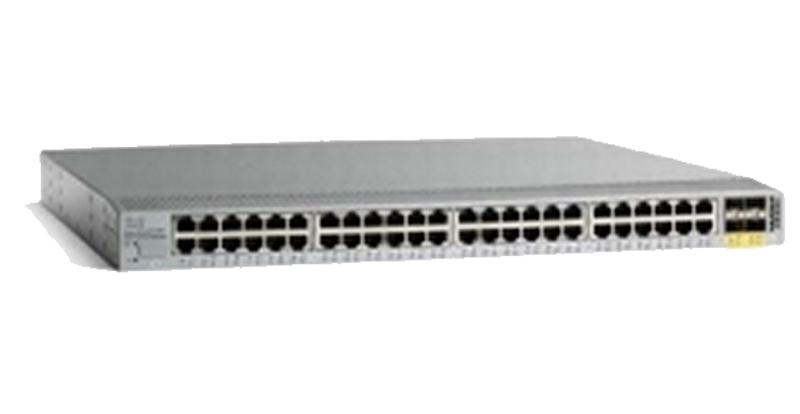
Cisco Nexus 2248TP GE Fabric Extender Expansionsmodul
1U - Gigabit Ethernet - 48 x 100/1000-BaseT - 4 x 10GBase-SR/LR (req SFP+) - 2 x PSU 400W - 8.0kg
Brand: Cisco Systems
SKU: N2K-C2248TP-1GE
$347.88
Price as listed. Shipping charges calculated at checkout.
Low stock — only 1 left

Do you have any question about this product or its specs? Want to know more? Click here to contact our pre-sales consultant and make the right purchase.
 NOTE: The information below is provided for your convenience only; the accuracy of the specifications cannot be guaranteed. However, if necessary, please check with us before purchasing. Data provided by 1 World Sync.
General
Switch type
Managed
Switch layer
L2
Basic switching RJ-45 Ethernet ports quantity
48
Full duplex
Y
MAC address table
8000 entries
Switching capacity
176 Gbit/s
Networking standards
IEEE 802.1p,IEEE 802.1Q,IEEE 802.3,IEEE 802.3ab,IEEE 802.3ae,IEEE 802.3u,IEEE 802.3x
Cisco N2K-C2248TP-1GE. Switch type: Managed, Switch layer: L2. Basic switching RJ-45 Ethernet ports quantity: 48. Full duplex. MAC address table: 8000 entries, Switching capacity: 176 Gbit/s. Networking standards: IEEE 802.1p,IEEE 802.1Q,IEEE 802.3,IEEE 802.3ab,IEEE 802.3ae,IEEE 802.3u,IEEE 802.3x
https://www.cisco.com/en/US/prod/collateral/switches/ps9441/ps10110/data_sheet_c78-507093.html
Cisco Nexus 2000 Series Fabric Extenders
The Cisco Nexus® 2000 Series Fabric Extenders (FEX) comprise a category of data center products designed to simplify data center access architecture and operations. The Cisco Nexus 2000 Series uses the Cisco® FEX-link architecture to provide a highly scalable unified server-access platform across a range of 100 Megabit Ethernet, Gigabit Ethernet, 10 Gigabit Ethernet, unified fabric, copper and fiber connectivity, rack, and blade server environments. The platform is ideal to support today's traditional Gigabit Ethernet while allowing transparent migration to 10 Gigabit Ethernet, virtual machine-aware unified fabric technologies.
The Cisco Nexus 2000 Series Fabric Extenders behave as remote line cards for a parent Cisco Nexus switch. The fabric extenders are essentially extensions of the parent Cisco Nexus switch fabric, with the fabric extenders and the parent Cisco Nexus switch together forming a distributed modular system. This architecture enables physical topologies with the flexibility and benefits of both top-of-rack (ToR) and end-of-row (EoR) deployments.
The Cisco Nexus 2000 Series architecture provides the following benefits:
- Architecture flexibility: Common, scalable, and adaptive architecture across data center racks and points of delivery (PoDs)1 that supports various server options, connectivity options, physical topologies and evolving needs;
- Highly scalable server access: Scalable Gigabit and 10 Gigabit Ethernet server access with no reliance on Spanning Tree;
- Simplified operations: One single point of management and policy enforcement using upstream Cisco Nexus switches eases the commissioning and decommissioning of server racks through zero-touch installation and automatic configuration of fabric extenders;
- Increased business benefits: Consolidation, cabling reduction, rack space reduction, reduced power and cooling, investment protection through feature inheritance from the parent switch, and the capability to add functions without the need for a major equipment upgrade of server-attached infrastructure all contribute to reduced operating expenses (OpEx) and capital expenditures (CapEx).
The Cisco Nexus 2000 Series design aligns with that of servers. It offers front-to-back cooling, compatible with data center hot-aisle and cold-aisle designs, all switch ports at the rear of the unit in close proximity to server ports, and all user-serviceable components accessible from the front panel. The Cisco Nexus 2000 Series is built for nonstop operation, with redundant hot-swappable power supplies and a hot-swappable fan tray with redundant fans. Its compact one-rack-unit (1RU) form factor takes up relatively little space, making it easy to incorporate into rack designs.
The Cisco Nexus 2248TP provide port density options for highly scalable 100-Mbps and Gigabit Ethernet connectivity. The Cisco Nexus 2232PP provides ease of migration from Gigabit Ethernet to 10 Gigabit Ethernet while supporting highly scalable 10 Gigabit environments.
Cisco Nexus 2000 Series Fabric Extenders connect to a parent Cisco Nexus switch through their fabric links using CX1 copper cable, short-reach or long-reach optics, and the cost-effective Cisco Fabric Extender Transceivers. Cisco Fabric Extender Transceivers are optical transceivers that provide a highly cost-effective solution for connecting the fabric extender to its parent switch.
The Cisco Nexus 2000 Series Fabric Extenders behave like remote line cards for a parent Cisco Nexus 5000 or 7000 Series Switch. Working in conjunction with Cisco Nexus switches, the Cisco Nexus 2000 Series Fabric Extenders extend the capabilities and benefits offered by the parent Cisco Nexus switch while providing flexible, scalable, and cost-effective server access.
0.0
0 review(s)
Inside NetworkDistri
From our network to yours.
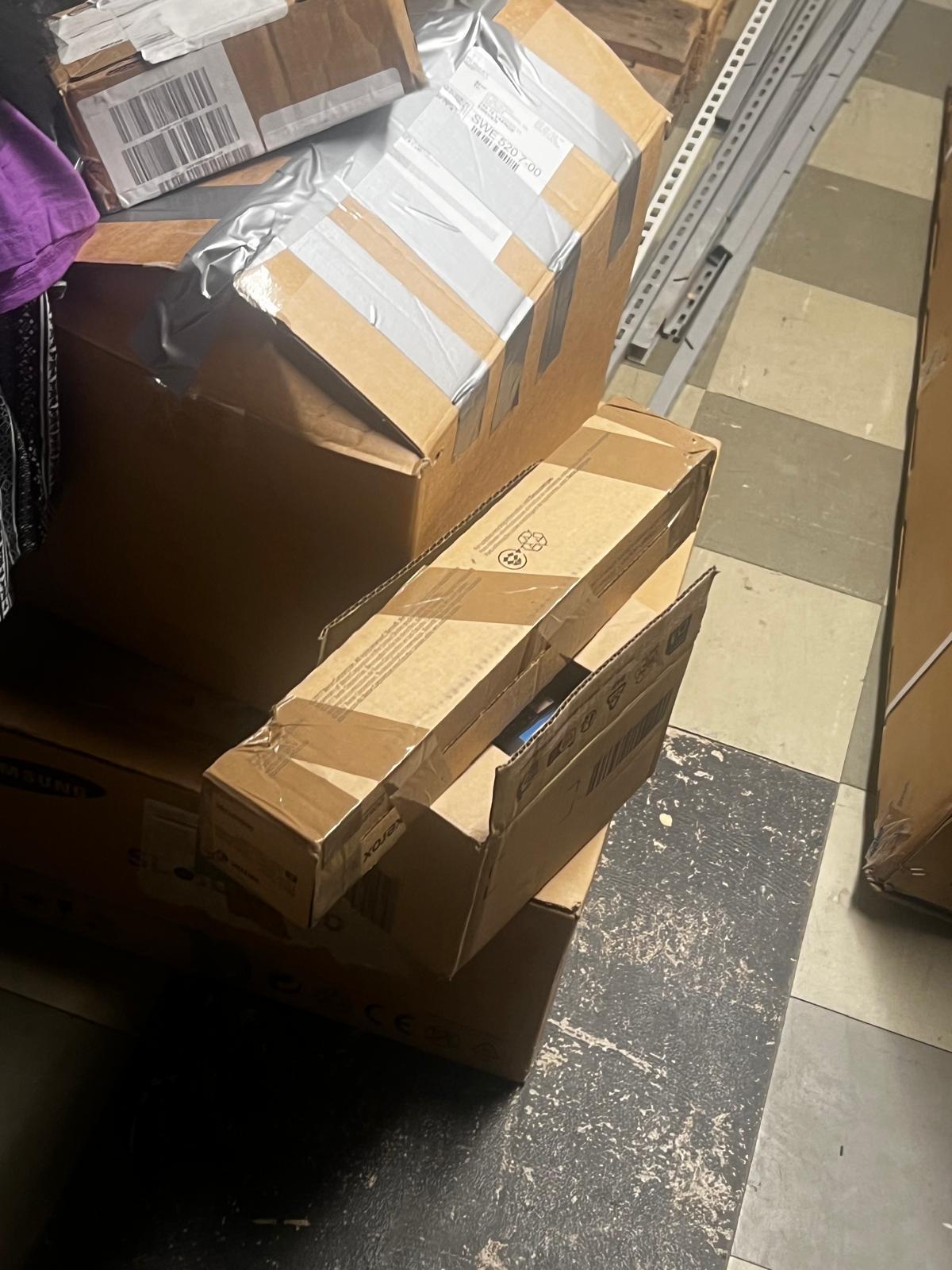
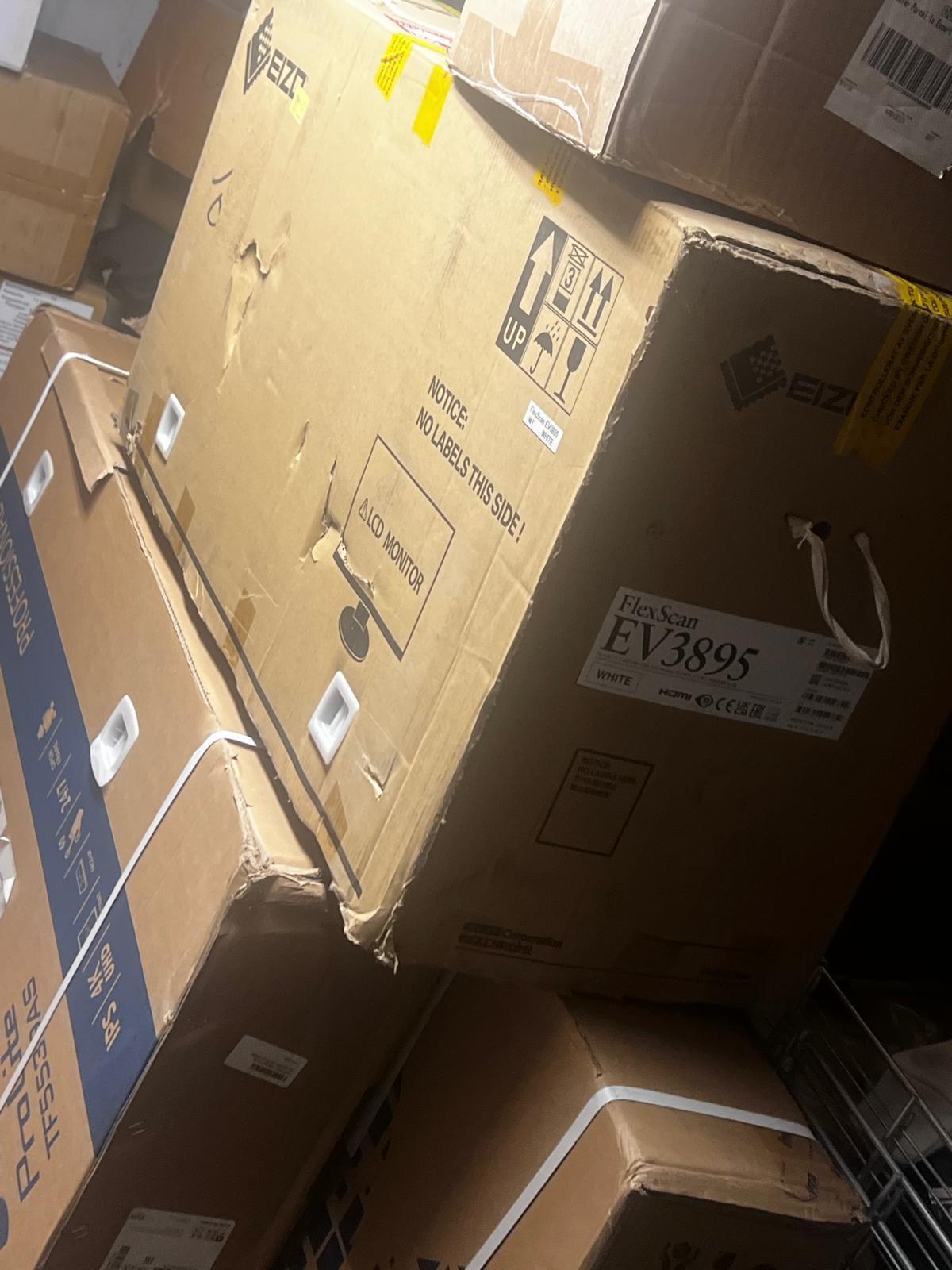
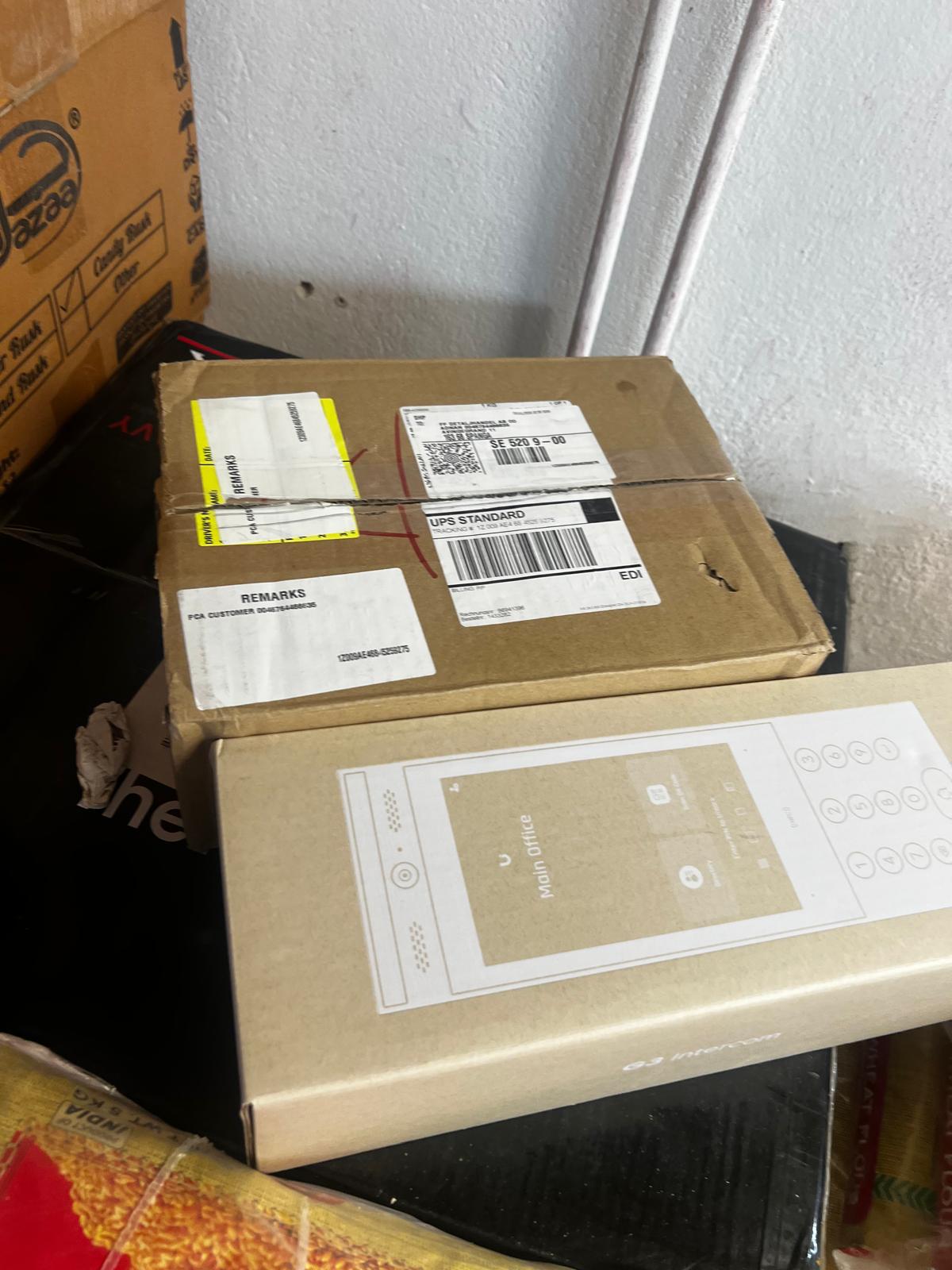
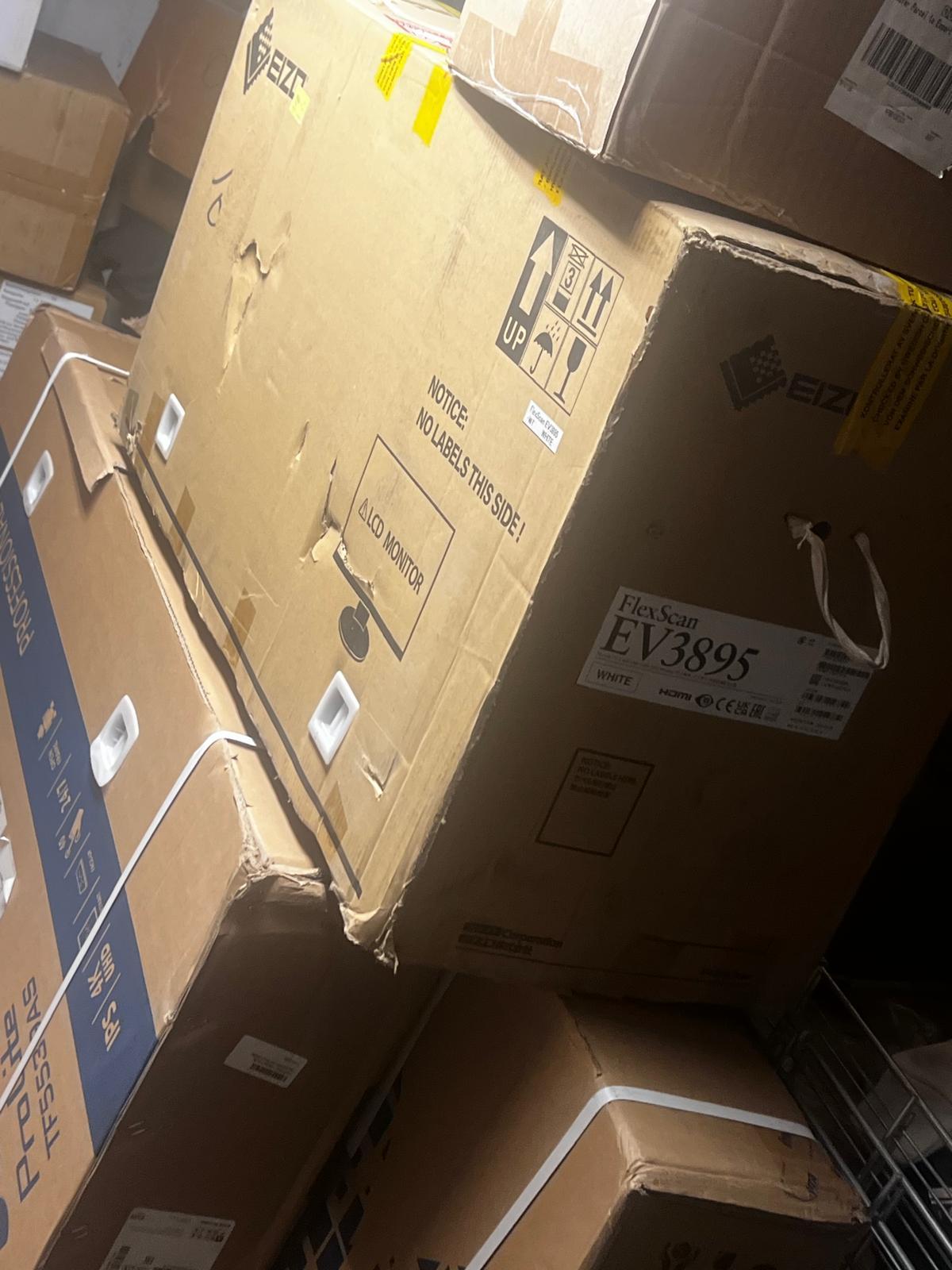
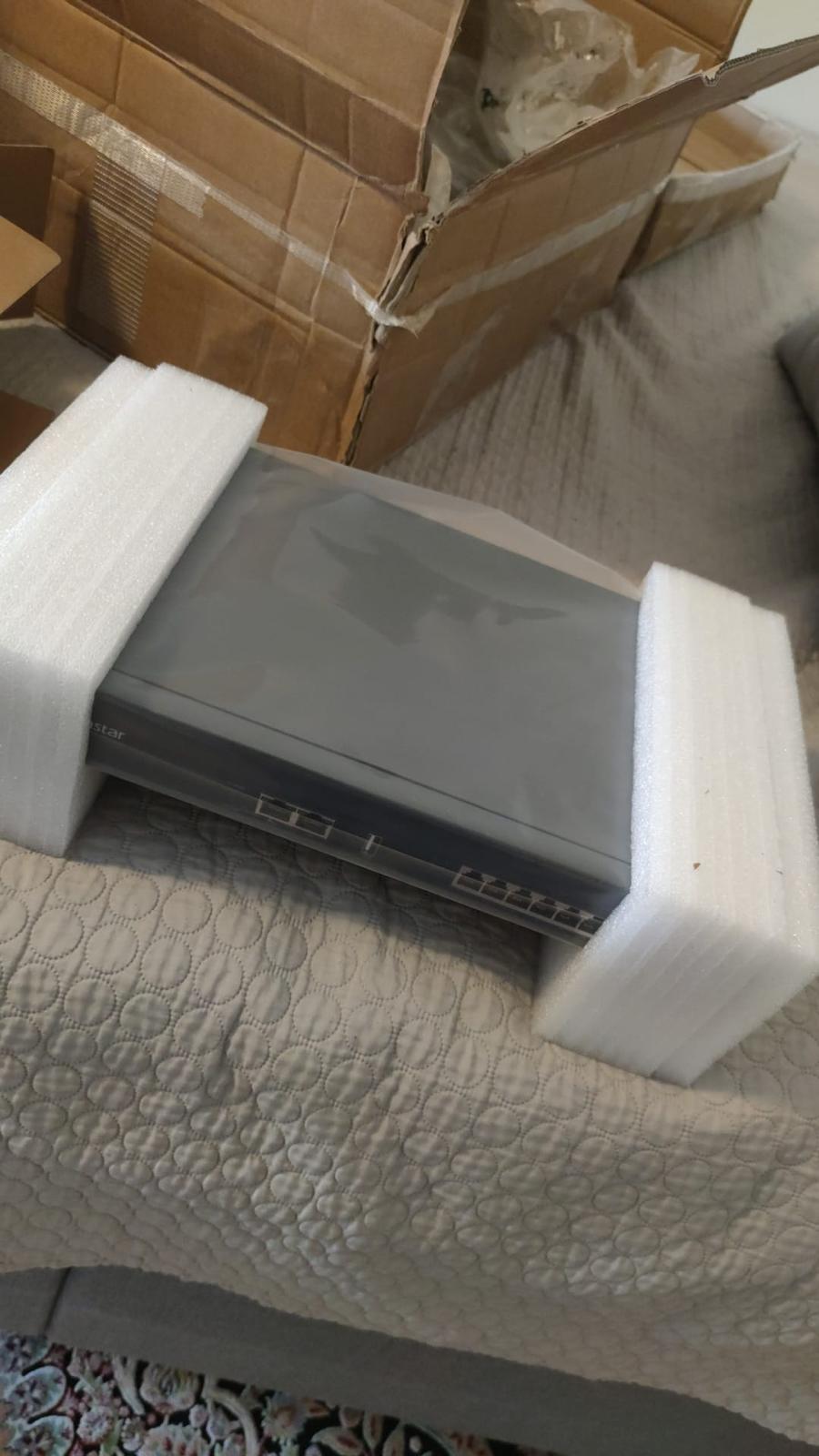
Every day, technology moves through our operation — received, checked, prepared and dispatched to customers. The images below show real equipment handled through our operation, not stock photography.
Real operations
Technology we actually handle
01
Source
Global supply
02
Receive
Goods arrive
03
Prepare
Process & pack
04
Dispatch
On the way